Our school is undergoing an exciting period of change. This autumn, Institut Le Rosey inaugurated its new academic building, Philo. The building brings together seven secondary-school academic departments—sciences, humanities, French, English, languages, mathematics and technology—as well as the new Impact Space dedicated to entrepreneurship.
By spring 2025, when construction was largely complete, it became clear that this new physical environment would require more than logistical adaptation. It also presented a valuable opportunity: to invite colleagues to reflect on how innovative pedagogy might best align with an innovative building.
Some of the key shifts are outlined below.
| Before Philo | With Philo |
| Classrooms were spread across the lower floors of several campus buildings, often with residential spaces above. | Classrooms are organised in departmental “clusters.” The round building design means rooms face either an internal atrium or an external balcony. |
| A small number of large shared spaces existed and were mainly reserved for special events. | Numerous shared areas are now available, including departmental hubs/libraries and multipurpose rooms. |
| Most classrooms had few windows or doors; visibility was limited unless you entered the room. | All classrooms have two glass walls, making learning activities and displays highly visible from corridors and balconies. |
| Room size and design depended on existing buildings, with limited teacher input. | Heads of Department and teachers were consulted during the design process; some spaces (such as science megalabs and the technovation space) were customised in response to pedagogical needs. |
| Furniture was heavy and difficult to reconfigure. | Modular, lightweight furniture allows for rapid reconfiguration. |
| Some walls were magnetic and usable as whiteboards. | All walls are magnetic, and many function as writable whiteboards. |
| A single staff space existed near reception, with limited cross-department interaction. | A large staff suite within jlo, connected by a spiral staircase and opening onto a terrace, encourages interaction across departments. |
| Display areas were limited and unevenly distributed. | Exhibition spaces are integrated throughout the building, including balconies, stair landings and the atrium; departments may also opt for video screens. |
We recognised that it would take at least a full school year for both teachers and students to adapt to this new environment. From the outset, however, we wanted to encourage exploration: what pedagogical shifts might this building make possible?
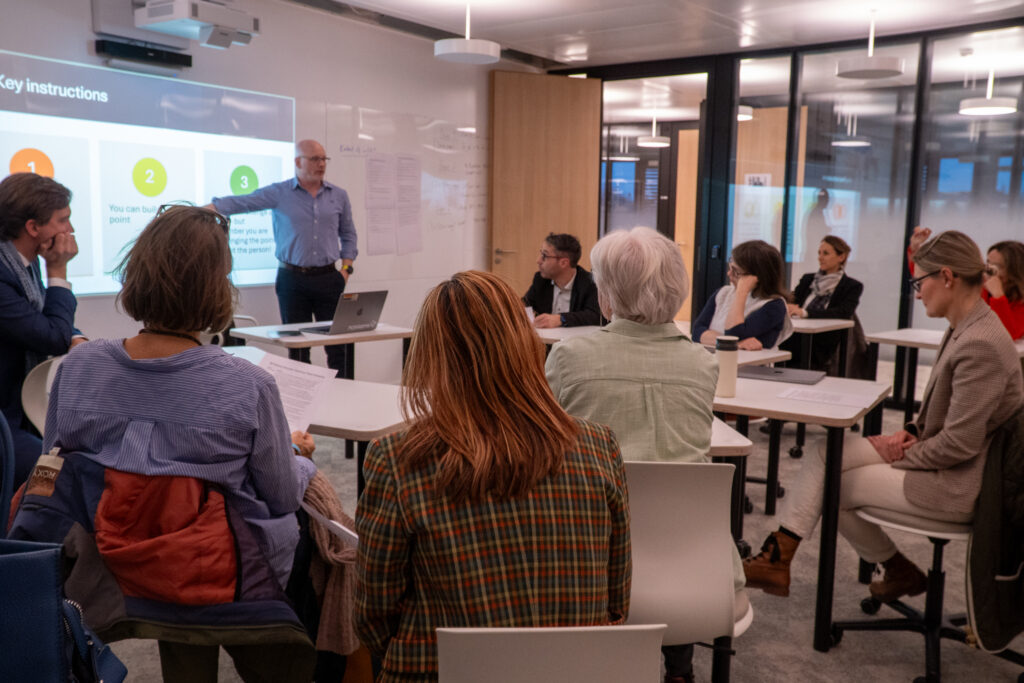
To support this process, we partnered with Ewan McIntosh and Kate Wadsworth from NoTosh for a year-long collaboration. They launched the work during our August INSET, introducing a central idea: the dynamic relationship between People, Pedagogy and Place. How might more intentional use of space enhance learning?
Working in mixed teams, teachers explored the building and reflected on units where creative use of a particular space could deepen learning. Why not use walls for interactive displays—provocative questions, shared problem-solving or collective thinking? Why not teach in different areas of the building, or ask students to work independently across multiple spaces before reconvening to share? In what ways could the building itself become part of the curriculum? How quickly could classrooms be reconfigured for different learning purposes? Which activities might be better suited to spaces beyond the classroom altogether?
Teachers left that INSET with concrete ideas to test during the term. Many also opted to receive a weekly newsletter focused on People, Pedagogy and Place, or to join our Practitioner Insight Group.
It has been a busy term. Thirty-six teachers received eleven newsletters prompting reflection on topics such as using the atrium effectively, developing lesson-opening rituals, making student thinking visible through writable surfaces, involving students as co-designers of space, exploring the “seven spaces of learning,” and documenting learning in ways that honour place.
In parallel, sixteen teachers participated in the Practitioner Insight Group led by Ewan, each selecting a specific action to implement and document over time. A further fifteen colleagues were interviewed about their creative use of space, and two displays in the staff room showcased practices already emerging across the school.
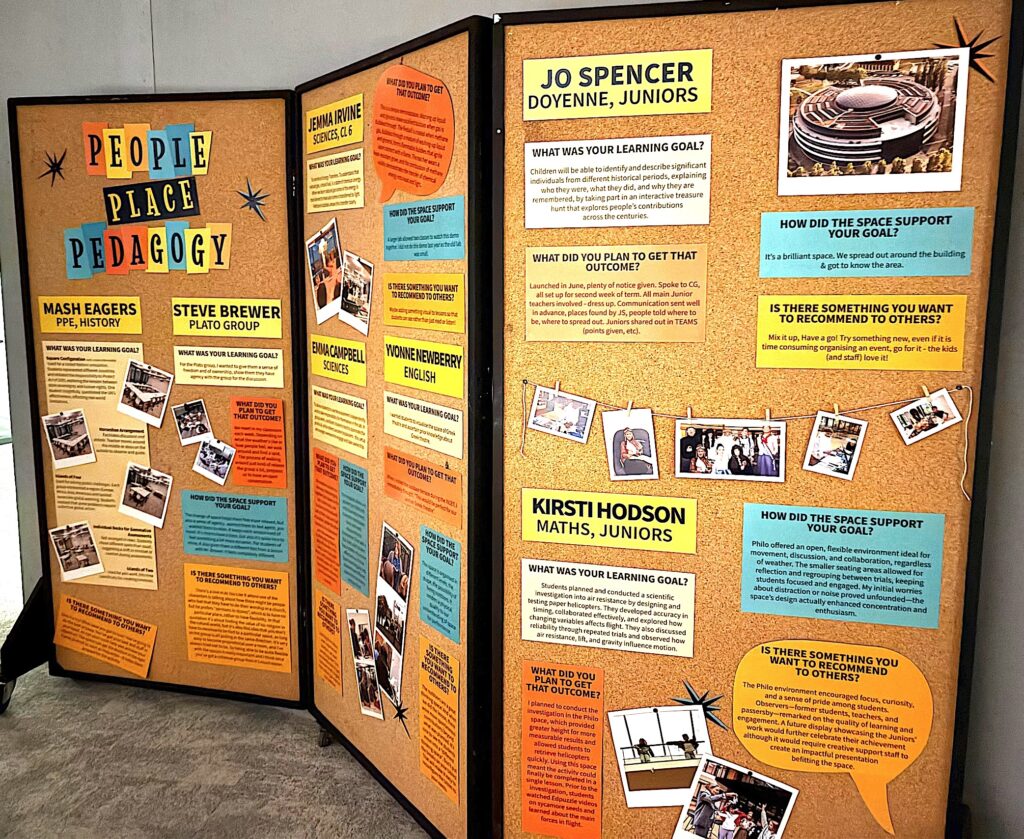
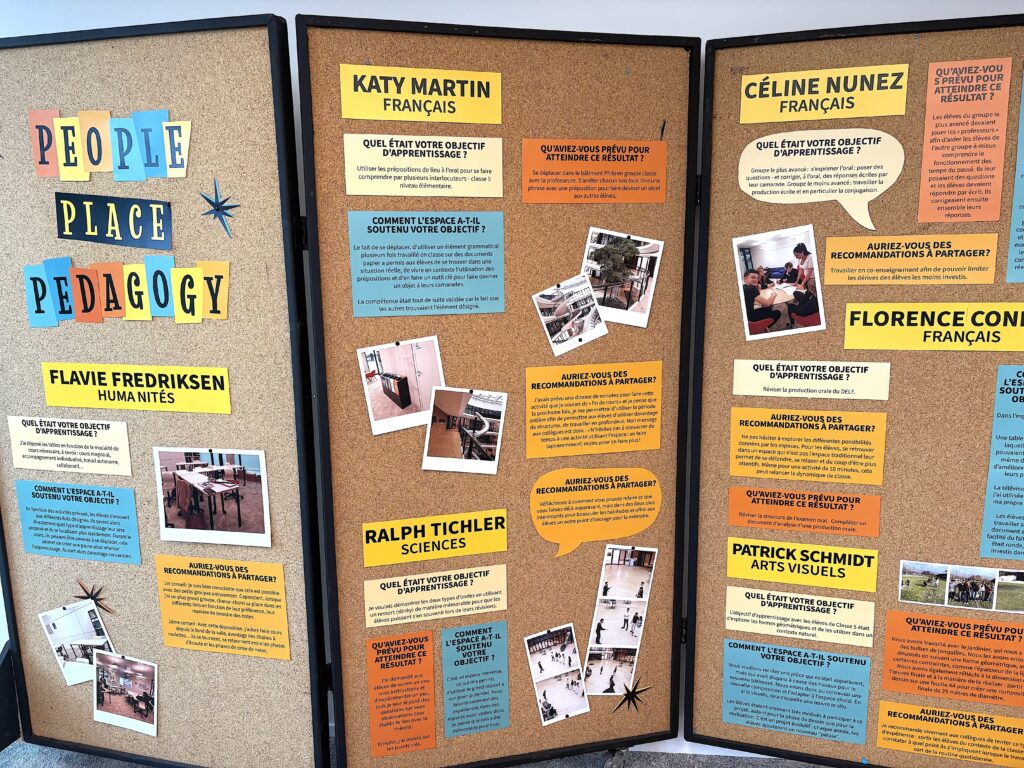
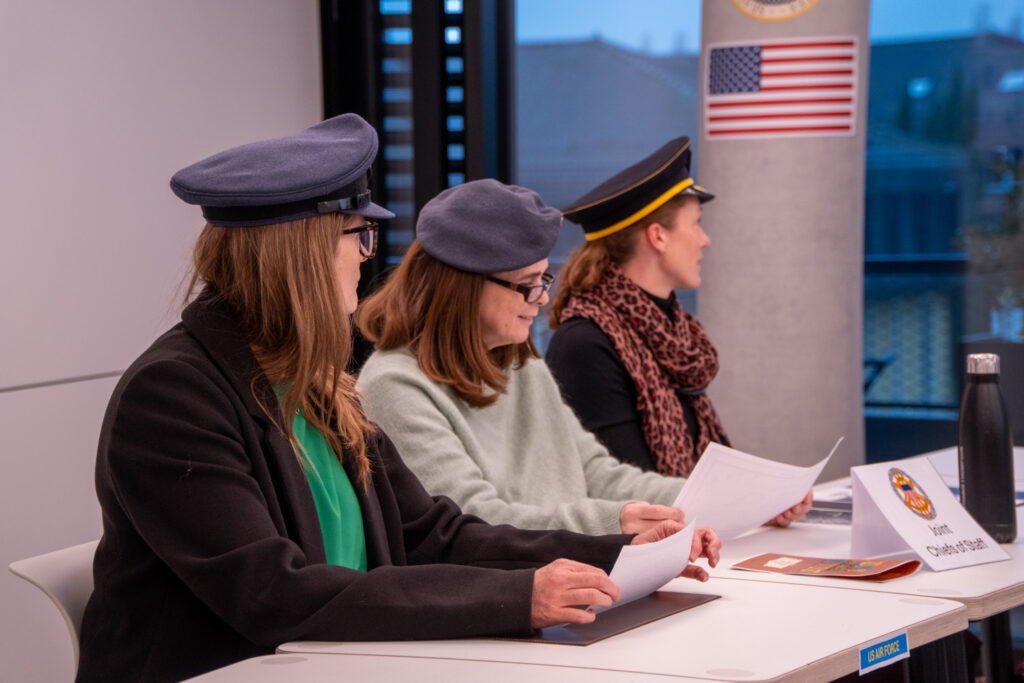
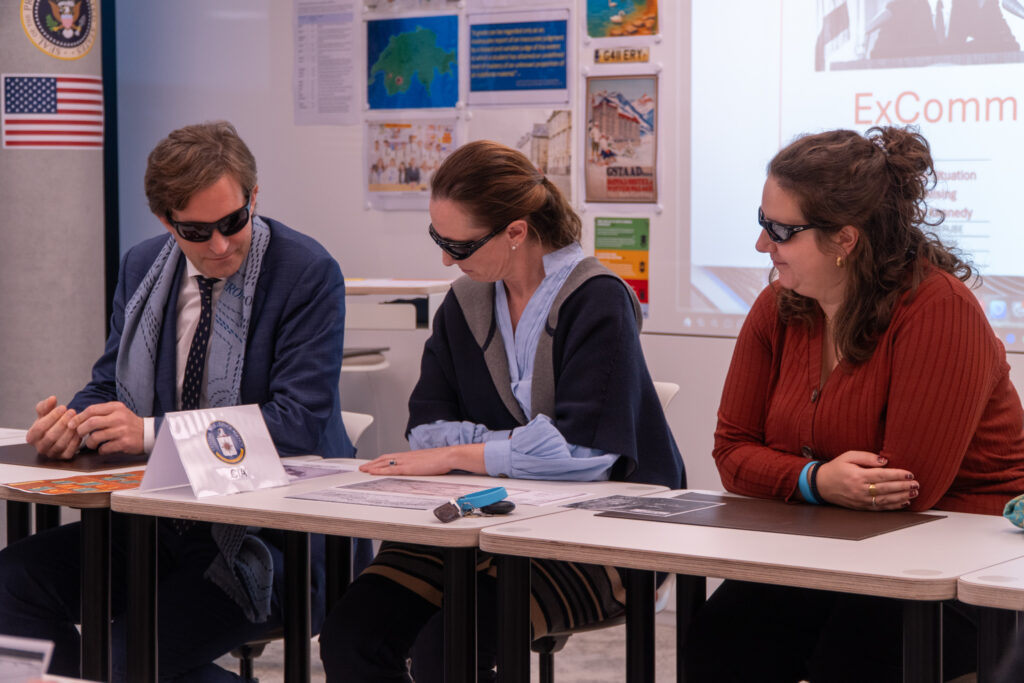
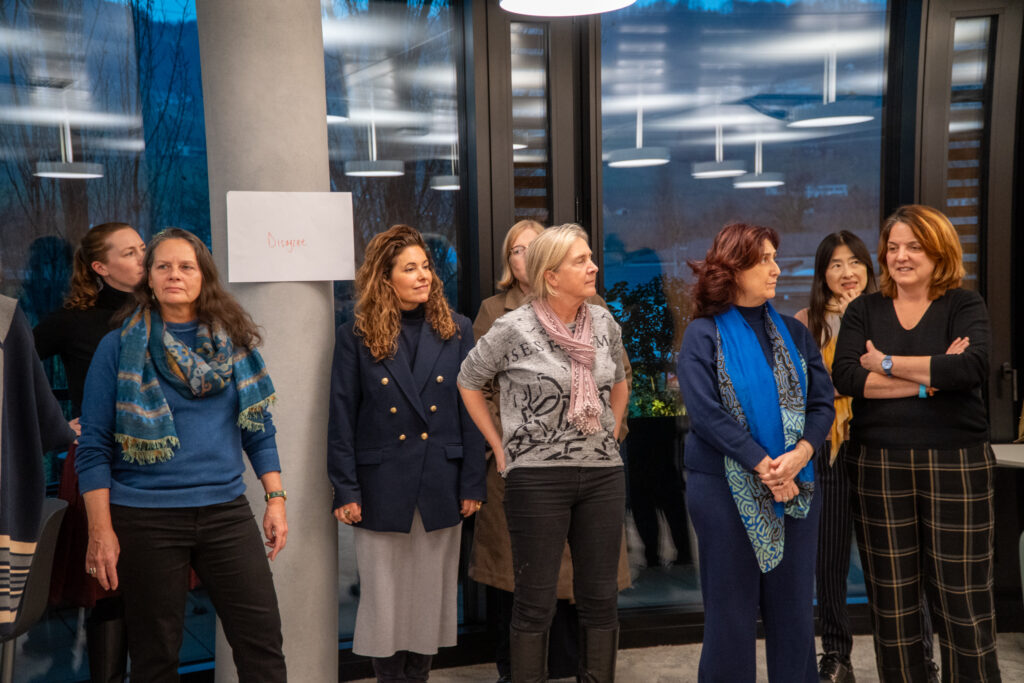
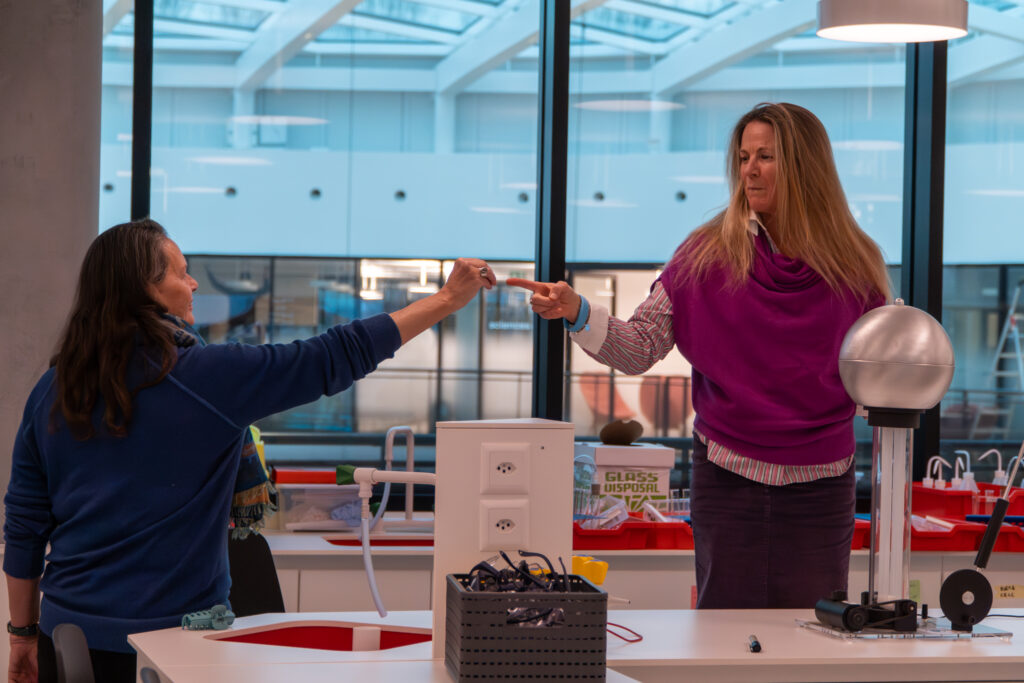
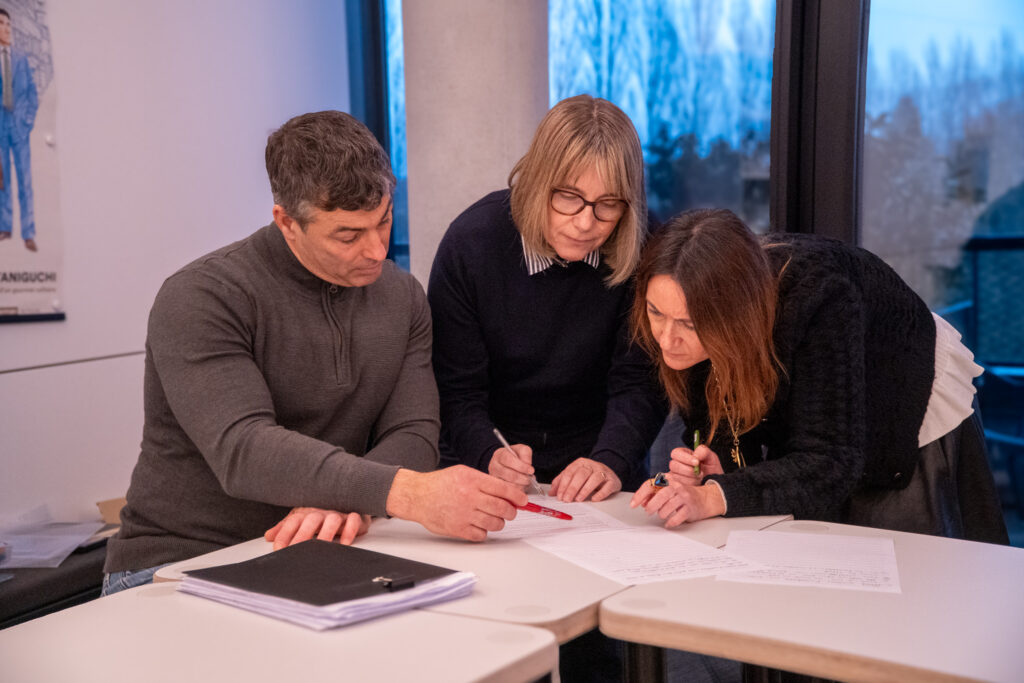
We concluded the term with a Celebration of People, Pedagogy and Place. Eleven teachers volunteered to lead 15-minute learning experiences for colleagues in unfamiliar areas of the building. The aim was simple: to enjoy being learners again, and to experience how space can shape learning. Moving beyond our usual departmental clusters reminded us how energising it can be to make learning come alive in new environments.
As we now move to our winter campus in the Bernese Oberland, this work continues to resonate. Success, a year from now, will not be measured by how novel Philo feels, but by how naturally pedagogy and space work together. If teachers and students are routinely making intentional choices about where and how learning happens—and if this way of thinking travels with us beyond this building, shaping practice on our mountain campus and in future spaces yet to be imagined—then we will know that this work has had lasting impact.